


By using our website, you agree to the use of cookies as described in our Cookie Policy
Handling Small Facility Repairs Before They Disrupt Detroit Businesses
Most Detroit business owners think facility maintenance is something you deal with when it breaks. A crack shows up, you patch it. A pipe leaks, you call someone. But by then, you're already behind. The damage is done, the disruption is real, and the cost is higher than it needed to be. Small repairs don't stay small for long—not in a city where weather swings hard and buildings work overtime.
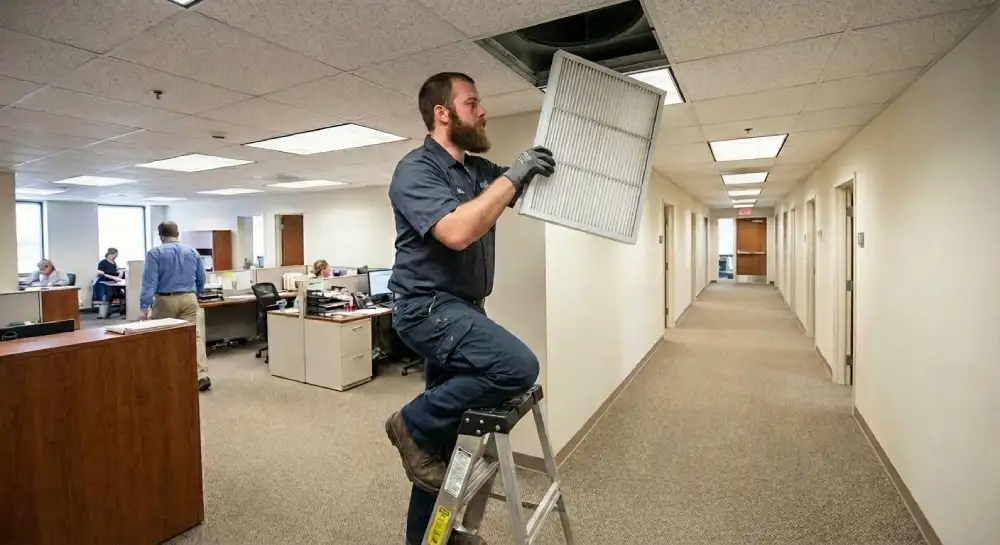
We've seen it play out across every sector. Retail spaces lose foot traffic because the front door sticks. Warehouses shut down production lines over a busted HVAC unit. Restaurants get flagged during inspections for issues that were fixable weeks ago. The pattern is always the same—ignore the small stuff, and it grows teeth. Fix it early, and you stay ahead of the chaos.
The Cost of Waiting Too Long
A hairline crack in your foundation doesn't look like much. Neither does a ceiling stain or a flickering breaker. But in Detroit's freeze-thaw cycle, that crack widens. That stain means water's been sitting somewhere it shouldn't. That breaker? It's telling you the wiring's overloaded. Every ignored signal is a countdown to something bigger.
And when the bigger thing hits, it doesn't come at a convenient time. It comes during your busiest week, right before a health inspection, or in the middle of a client meeting. Suddenly you're scrambling for emergency service, paying premium rates, and losing revenue while the fix drags on. All because a fifteen-minute repair got pushed to "later."
What Actually Goes Wrong First
Certain repairs show up more than others, and they follow predictable patterns. Plumbing issues top the list—leaks under sinks, toilets that run constantly, drains that back up during heavy use. Electrical problems come next, especially in older buildings where the load exceeds what the system was designed for. HVAC failures spike in summer and winter, right when you need climate control most.
Then there's the stuff people walk past every day. Loose handrails, cracked pavement, doors that don't latch properly. These aren't just cosmetic—they're liability risks. One slip, one trip, one injury, and you're dealing with workers' comp claims or worse. Detroit's building codes don't mess around, and neither do insurance adjusters.
- Plumbing leaks that start small and spread through walls or floors
- Electrical outlets that spark or breakers that trip under normal load
- HVAC units that cycle unevenly or fail to maintain temperature
- Structural damage like cracked concrete, loose tiles, or warped doorframes
- Exterior wear including damaged signage, potholed lots, or failing weatherproofing

Why Proactive Beats Reactive Every Time
Fixing things before they break isn't just smart—it's cheaper. Emergency repairs cost more because you're paying for urgency, not just labor. You're also paying in downtime, lost productivity, and customer frustration. A scheduled repair happens on your terms. An emergency happens on the problem's terms.
Beyond cost, there's continuity. Businesses that stay on top of maintenance don't get blindsided. They don't lose a day of operations because the heat went out overnight. They don't scramble to relocate inventory because a roof leak turned into a flood. They plan, they execute, and they keep moving.
- Scheduled maintenance costs a fraction of emergency service rates
- Downtime gets minimized when repairs happen during off-hours
- Safety risks drop when hazards are addressed before someone gets hurt
- Your facility's reputation stays intact when customers see a well-kept space
- Compliance issues get caught early, before inspectors show up
Building a System That Actually Works
You can't fix what you don't see. That's why regular walkthroughs matter. Not once a year—monthly, or even weekly if your facility sees heavy use. Check the same spots every time: plumbing fixtures, electrical panels, HVAC vents, high-traffic flooring, exterior seals. Make it routine, and problems surface before they escalate.
Your team sees things you don't. Train them to report issues the moment they notice them. A cashier who mentions a flickering light, a warehouse worker who spots a puddle—these are early warnings. Set up a simple reporting system, whether it's a shared app, a logbook, or a dedicated email. Make it easy, and people will use it.
- Schedule monthly facility inspections covering all critical systems
- Create a checklist that covers plumbing, electrical, HVAC, and structural elements
- Train employees to flag maintenance issues immediately
- Keep a maintenance log that tracks every repair and its date
- Budget a fixed percentage of revenue for ongoing facility upkeep
When DIY Stops Being Smart
Some repairs are straightforward. Tightening a loose screw, replacing a lightbulb, patching a small hole—these don't require a contractor. But electrical work, gas line repairs, structural fixes, and HVAC diagnostics? Those need licensed professionals. Cutting corners on complex repairs doesn't save money—it creates liability and often makes the problem worse.
Detroit has no shortage of skilled tradespeople. Build relationships with a few trusted contractors before you need them. When something breaks, you'll have someone who knows your facility, responds quickly, and does the work right the first time. That's worth more than the cheapest bid on a job board.
- Electrical and gas work must be handled by licensed professionals
- Structural repairs require expertise to avoid compromising building integrity
- HVAC diagnostics need specialized tools and training
- Plumbing beyond basic fixes should go to a certified plumber
- Roofing and exterior sealing work best when done by specialists
Keeping Detroit Businesses Running Strong
Small repairs don't announce themselves with sirens. They show up quietly, in the background, while you're focused on customers and revenue. But ignore them long enough, and they'll demand your attention in the worst possible way. The businesses that thrive in Detroit are the ones that treat facility repairs like operations—essential, ongoing, and non-negotiable.
Your facility is more than four walls and a roof. It's the foundation of everything you've built. Treat it that way, and it'll support you through every season, every challenge, and every growth phase. Let it slide, and it'll cost you more than money—it'll cost you time, reputation, and momentum you can't afford to lose.
Let’s Tackle Repairs Before They Grow
Staying ahead of small facility repairs is how we keep Detroit businesses running smoothly and avoid costly surprises. If you’re ready to put proactive maintenance to work for your business, let’s connect and make sure your building stays in top shape. Call us at 248-214-0788 or get an estimate today and see how we can help you stay ahead of the next repair.
‹ Back
Recent Posts
-
-
-
How Detroit Gyms Can Stay Clean During Peak Member Hours
March 10, 2026
-
What Commercial Maintenance Covers for Detroit Businesses
February 24, 2026
-