

By using our website, you agree to the use of cookies as described in our Cookie Policy
Signs Your Detroit Medical Facility Needs Professional Medical Cleaning Services
Most healthcare administrators think cleaning is just about appearances. Wipe down surfaces, mop the floors, check the box. But infection control specialists see more than that—and if you don't, you're putting patients at risk. Cleanliness may not show up on a balance sheet, but it leaves a footprint on patient outcomes, regulatory audits, and your facility's reputation. Especially when you're dealing with high-risk pathogens or preparing for inspections.

So here's the reality. If you're running a medical facility that treats real patients with real vulnerabilities, that's critical work. Just don't assume your current cleaning protocol is enough. Every surface should meet clinical standards. Every disinfection cycle needs documentation. And every decision about sanitation should be grounded in what the space demands—not just what looks acceptable to the untrained eye.
Infection Rates Start Climbing
Healthcare-associated infections don't just happen. They're a direct result of inadequate environmental hygiene, and they're one of the clearest signals that your cleaning program isn't cutting it. When patients or staff start developing infections that trace back to your facility, you've got a problem that goes beyond protocol—it's a breakdown in execution.
We've seen this pattern repeat itself across Detroit medical centers. A spike in HAIs often correlates with gaps in terminal cleaning, inconsistent disinfection schedules, or untrained personnel handling high-touch areas. Professional medical facility cleaning brings hospital-grade products, validated processes, and the kind of accountability that prevents outbreaks before they start. If your infection data is trending upward, that's not bad luck. That's a red flag.
Odors That Won't Quit
Persistent smells in a healthcare setting aren't just unpleasant—they're diagnostic. Lingering odors in patient rooms, restrooms, or hallways usually point to microbial growth, inadequate ventilation, or contamination that standard cleaning missed. And if your staff has stopped noticing it, your patients haven't.
Professional commercial cleaning teams don't just mask odors with air fresheners. They identify the source—whether it's biofilm in drains, mold behind equipment, or organic matter trapped in porous surfaces—and eliminate it. That requires specialized tools and training your in-house crew likely doesn't have. If the smell keeps coming back, it's because the problem was never fully addressed.
Visible Grime Tells the Story
Dust on vents. Stains on floors. Buildup around fixtures. These aren't minor cosmetic issues—they're evidence that your cleaning standards aren't meeting the demands of a clinical environment. Medical facilities operate under a different set of expectations than office buildings or retail spaces, and visible dirt is a compliance risk waiting to happen.
Here's what professional cleaners focus on that most in-house teams miss:
- High-touch surfaces like door handles, light switches, and bed rails
- Hard-to-reach areas including ceiling corners, behind equipment, and under furniture
- Floors that require medical-grade disinfection, not just mopping
- Walls and partitions that accumulate splatter or dust over time
- Ventilation systems that circulate contaminants if not properly maintained
Your Staff Is Stretched Too Thin
When nurses and medical assistants are spending time scrubbing exam rooms or restocking cleaning supplies, something's broken. Clinical staff are trained to deliver patient care, not to manage sanitation protocols. And when cleaning becomes an afterthought squeezed between appointments, quality suffers.
Outsourcing to professionals doesn't just improve cleanliness—it restores focus. Your team can prioritize what they were hired to do, while trained cleaners handle the disinfection, waste management, and environmental hygiene that keeps your facility safe. If your staff is overwhelmed or cutting corners on cleaning, that's a sign the workload has outgrown your internal capacity.
Patient Complaints Are Piling Up
Negative feedback about cleanliness isn't just bad for online reviews—it's a warning that your facility's standards are slipping in ways patients can see and feel. Whether it's a dirty waiting room, a bathroom that smells, or visible dust in an exam area, these complaints reflect a gap between expectation and reality.
We work with facilities that have turned around their reputation by bringing in professional cleaning services. Patients notice the difference immediately. Consistent, thorough sanitation sends a message that you take their safety seriously. If complaints are becoming a pattern, it's time to address the root cause, not just the symptoms.
Regulatory Audits Aren't Going Well
Failed inspections or warnings from health departments are more than embarrassing—they're existential threats to your facility's ability to operate. Regulatory bodies don't care about excuses. They care about compliance, documentation, and evidence that your cleaning protocols meet established standards.
Professional medical cleaning companies live and breathe these regulations. They know what inspectors look for, how to document cleaning cycles, and which products meet CDC and OSHA guidelines. If you've been flagged for cleanliness issues, bringing in experts isn't optional—it's damage control. And it's a lot cheaper than fines, shutdowns, or lawsuits.
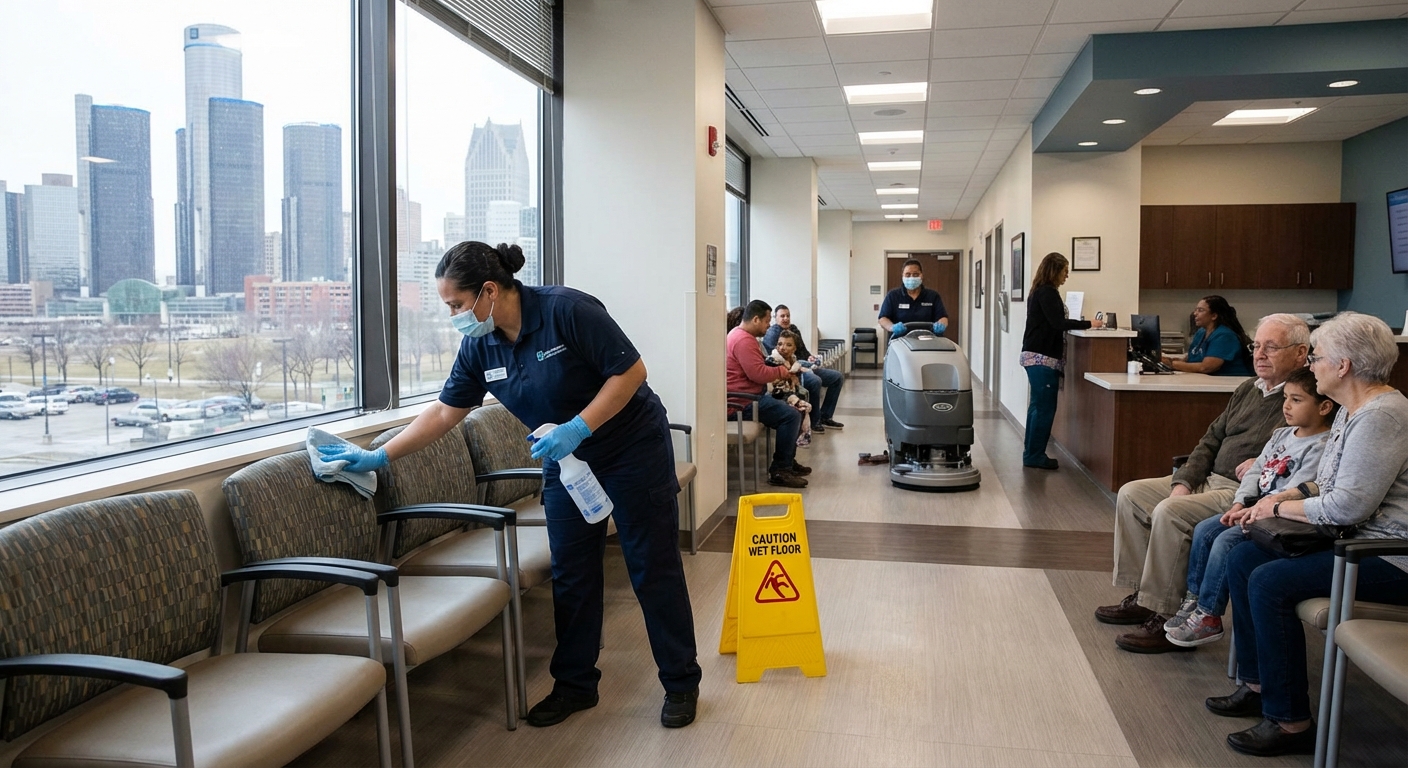
High Traffic Means High Risk
Busy facilities with constant patient turnover face a unique challenge. Exam rooms, waiting areas, and restrooms get contaminated faster than your team can keep up. And when cleaning gets rushed or skipped, pathogens accumulate.
Here's what high-volume facilities need that standard cleaning can't deliver:
- Rapid turnaround disinfection between patient visits
- Flexible scheduling that adapts to peak hours and off-hours
- Specialized equipment for fast, effective sanitation
- Trained staff who understand cross-contamination risks
- Consistent quality regardless of how busy the day gets
Specialized Areas Aren't Getting Proper Attention
Operating rooms, isolation wards, and labs aren't just "extra dirty"—they require entirely different cleaning protocols. These spaces demand sterile environments, biohazard handling, and equipment sterilization that goes far beyond what general cleaning staff can manage.
If your facility includes high-risk areas and you're relying on the same team that cleans the lobby, you're gambling with patient safety. Professional medical cleaners are trained in terminal cleaning, proper PPE use, and the specific disinfection standards required for surgical suites and infectious disease units. This isn't an area where you can afford to cut corners or hope for the best.
Your Equipment Is Outdated
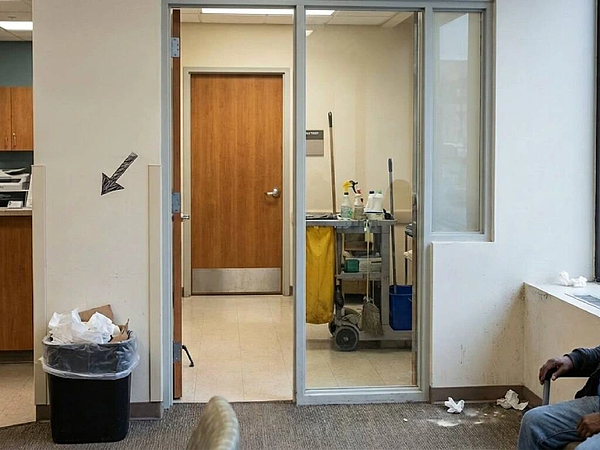
Mops and spray bottles might work for a small office, but they're inadequate for a medical facility. Modern cleaning requires HEPA-filter vacuums, electrostatic sprayers, UV disinfection tools, and hospital-grade chemicals that most facilities don't stock or maintain.
Professional cleaning companies invest in the latest technology because it works. They're not guessing whether a surface is clean—they're using validated methods that eliminate pathogens at a microscopic level. If your cleaning closet looks like it hasn't been updated in a decade, that's a sign your sanitation program is stuck in the past.
Inspections and Accreditation Are Coming
Preparing for an accreditation survey or regulatory inspection isn't the time to discover your facility has cleanliness gaps. Professional cleaning services can conduct pre-audit assessments, identify problem areas, and implement corrective measures before inspectors arrive.
Here's what they'll help you address:
- Documentation gaps in cleaning logs and disinfection schedules
- Non-compliant products or methods flagged by regulatory bodies
- High-risk areas that need immediate attention
- Staff training deficiencies that could raise red flags
- Environmental hygiene standards that exceed baseline requirements
When DIY Becomes a Liability
Running a medical facility means juggling patient care, staffing, compliance, and a dozen other priorities. Cleaning often gets treated as a background task—something anyone can handle if they have a few minutes. But that mindset creates risk.
Professional medical cleaning isn't just about doing the work—it's about doing it right, every time, with accountability. It's about using the correct products for each surface, following evidence-based protocols, and maintaining documentation that holds up under scrutiny. If your current approach is reactive, inconsistent, or reliant on untrained staff, you're not just falling short—you're exposing your facility to preventable problems.
Cleanliness Isn't Negotiable
Your Detroit medical facility exists to heal people, not harm them. Every patient who walks through your doors trusts that you've created a safe environment. Every staff member deserves to work in a space that protects their health. And every regulatory standard you're held to reflects the seriousness of that responsibility.
Professional medical cleaning services aren't a luxury or an admission of failure. They're a strategic investment in patient safety, operational excellence, and long-term sustainability. If you're seeing any of these signs, the question isn't whether you need help—it's how quickly you can bring in the right team to fix it. Because in healthcare, there's no margin for error when it comes to cleanliness.
Let’s Safeguard Your Facility Together
We know how much is at stake when it comes to keeping your Detroit medical facility clean and compliant. Let’s work together to create a safer, healthier environment for your patients and staff—without the stress and uncertainty. If you’re ready to take the next step, call us at 248-214-0788 or get an estimate and see how we can help you meet the highest standards in medical cleaning.
‹ Back
Recent Posts
-
-
-
How Detroit Gyms Can Stay Clean During Peak Member Hours
March 10, 2026
-
What Commercial Maintenance Covers for Detroit Businesses
February 24, 2026
-